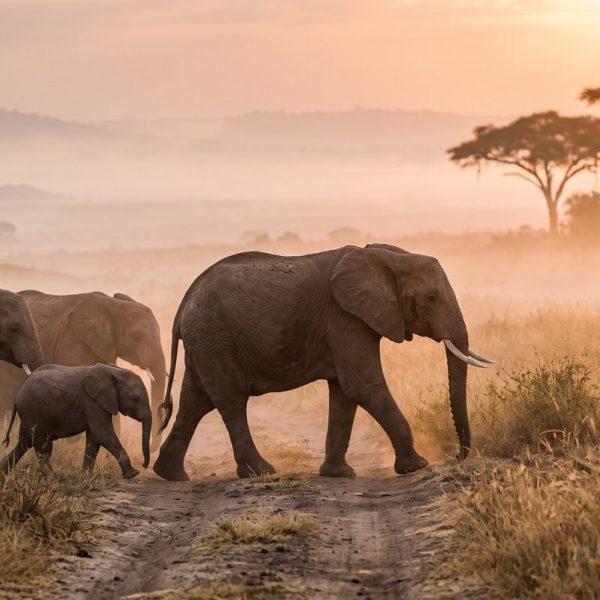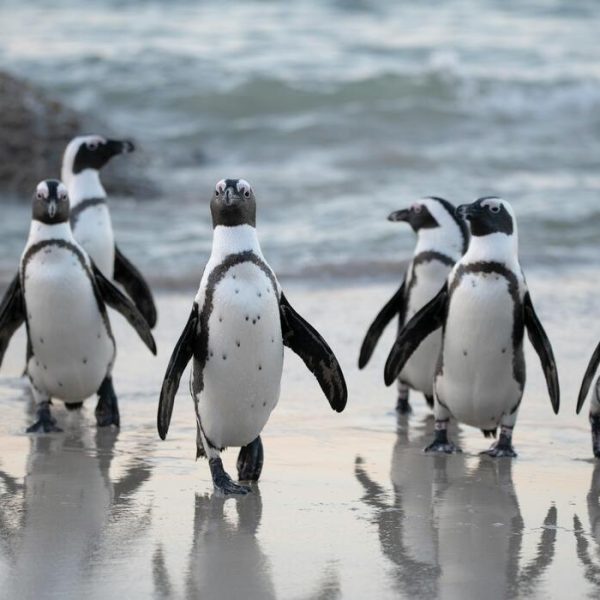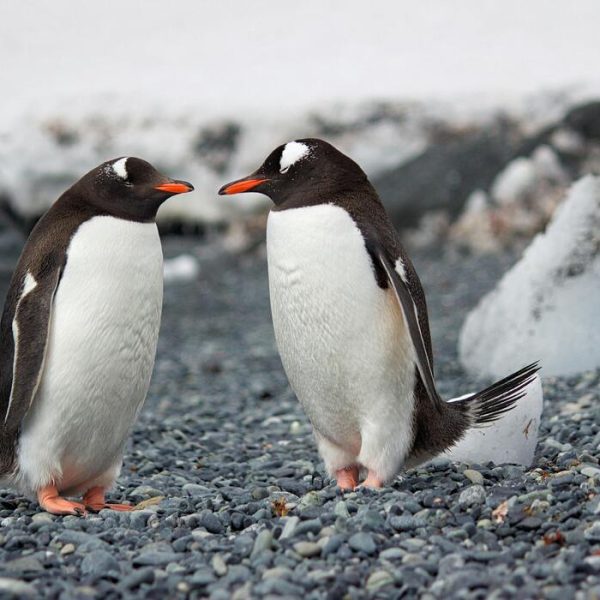

Every decision we make—from the food we eat to the way we travel—has a ripple effect on the natural world. While large conservation projects are crucial, what truly shifts the tide for vulnerable species are the seemingly small, daily actions of millions of people. By aligning everyday habits with compassion and sustainability, you can protect habitats, reduce animal suffering, and help safeguard biodiversity without completely changing your lifestyle overnight.
10 Everyday Choices That Quietly Protect Animals
1. Choose More Plant-Based Meals
Animal agriculture is one of the largest drivers of habitat loss, water usage, and greenhouse gas emissions. Cutting back on meat and dairy immediately reduces demand for intensive farming systems that confine billions of animals and convert forests, wetlands, and grasslands into farmland. Even simple changes—like choosing oat milk instead of cow’s milk, or doing “Meatless Mondays”—help reduce pressure on ecosystems where wild animals live.
You don’t need to become fully vegan to make a difference. Swapping a few meat-heavy meals a week for beans, lentils, tofu, or plant-based meats lowers your footprint and sends a signal to producers that humane, low-impact options matter to consumers.
2. Support Cruelty-Free and Vegan Products
Many cosmetics, household cleaners, and personal care products are still tested on animals or contain animal-derived ingredients. By choosing brands that are clearly labeled as cruelty-free and, when possible, vegan, you reduce demand for painful and unnecessary testing on rabbits, mice, dogs, and other species. Look for recognized certifications like Leaping Bunny or similar standards in your region.
This choice also nudges companies toward investing in non-animal testing methods that are often more accurate, modern, and humane. Over time, widespread consumer pressure has already pushed large corporations to adopt cruelty-free policies; your purchases can help accelerate this shift.
3. Go Paperless and Reduce Resource Use at Work
Forests are home to most of the world’s terrestrial biodiversity, yet logging and paper production still destroy or degrade massive areas of habitat. Reducing paper use in your business or freelance work is an easy way to help. Embracing digital workflows—such as sending electronic invoices instead of printed ones—cuts down on paper waste, ink, and fuel used in postal delivery.
Tools like the free pdf invoice generator help individuals and businesses create professional invoices online without printing, storing, and mailing stacks of paper. Over time, these incremental changes reduce pressure on forests that countless animal species call home.
4. Buy Less, Choose Better
Every product carries a hidden environmental cost—raw materials, energy, transportation, and packaging. Fast fashion and disposable goods, in particular, generate huge amounts of waste and pollution that harm wildlife through toxic runoff, microplastics, and overflowing landfills. Choosing fewer, higher-quality items and repairing what you own extends product life cycles and reduces the need for constant resource extraction.
Look for durable clothing, electronics, and home goods from ethical brands. Opt for natural materials when they’re responsibly sourced, and avoid items made from or trimmed with fur, exotic skins, feathers, or down unless certified humane and traceable. Conscious consumption lightens your impact on ecosystems where animals live and breed.
5. Say No to Exploitative Animal Entertainment
Attractions that profit from wild animals—like roadside zoos, captive dolphin shows, elephant rides, and photo ops with drugged big cats—may seem harmless, but they often involve severe stress, confinement, and abuse. Instead, support ethical sanctuaries and accredited wildlife centers that rescue animals and prioritize their welfare rather than profit.
When traveling, research local tours carefully. Choose wildlife-watching experiences that keep a respectful distance, avoid touching or feeding wild animals, and are run by guides who follow strict ethical and conservation guidelines.
6. Cut Single-Use Plastics
Sea turtles, seabirds, whales, and countless other species mistake plastic for food or become entangled in it. Microplastics are now found in oceans, rivers, soil, and even the bodies of animals far from human settlements. By refusing single-use plastics—bags, bottles, straws, cutlery, and excessive packaging—you prevent litter from reaching waterways and ecosystems.
Carry a reusable bottle, mug, and shopping bag. Buy in bulk where possible and choose products with minimal or recyclable packaging. Encourage local restaurants and cafes to adopt sustainable packaging, and participate in community cleanups to remove existing waste from animal habitats.
7. Make Your Home and Garden Wildlife-Friendly
The way you manage your yard, balcony, or community garden can either harm or help local wildlife. Pesticides and rodenticides poison not only pests but also birds, pollinators, and predators that feed on contaminated animals. Switching to organic or low-impact pest control protects beneficial species.
Plant native flowers, trees, and shrubs to provide food and shelter for birds, bees, butterflies, and small mammals. Install bird baths and bee hotels, keep cats indoors or supervise outdoor time, and reduce outdoor lighting at night to avoid disorienting nocturnal animals and migrating birds.
8. Travel and Commute with Animals in Mind
Transportation emissions are a major driver of climate change, which is pushing many species toward extinction through habitat shifts, extreme weather, and ocean warming. Choosing low-carbon travel—walking, cycling, carpooling, public transit, or trains—reduces the climate impact that ultimately affects animals worldwide.
When you fly or drive long distances, consider combining trips, offsetting carbon through credible projects, and supporting accommodations that have strong environmental policies. Responsible transport choices shrink your contribution to a crisis that is reshaping entire ecosystems.
9. Use Your Voice and Your Vote
Individual choices matter, but systemic change multiplies their impact. Support policies and leaders that prioritize wildlife protection, habitat conservation, climate action, and stricter regulations on pollution and animal industries. Vote in local and national elections with these issues in mind.
You can also contact companies directly to request more humane and sustainable practices. Emails, reviews, and social media posts urging businesses to reduce packaging, adopt cruelty-free testing, or improve animal welfare standards contribute to a culture where ethical behavior is expected.
10. Donate, Volunteer, and Educate
Supporting reputable animal charities, rescue groups, and conservation organizations amplifies your impact beyond your own household. Even small monthly donations help fund habitat restoration, anti-poaching patrols, veterinary care, and advocacy campaigns that protect animals on a large scale.
Sharing information with friends, family, and colleagues—whether through social media, classroom talks, or casual conversation—also spreads awareness. When more people understand how daily habits affect animals, they’re more likely to change their own behavior and support broader reforms.
Everyday Choices, Extraordinary Impact
Protecting animals is not limited to scientists, policymakers, or large organizations. It is a responsibility—and an opportunity—woven into ordinary life. Each meal you choose, each product you buy, each trip you plan, and each piece of paper you save either supports or undermines the well-being of countless species. By aligning your everyday decisions with compassion and sustainability, you become part of a global movement that defends the rich diversity of life on Earth, one thoughtful choice at a time.